All Categories
Featured
Table of Contents
The genetics is SOD1A *, and the setting of inheritance is recessive. Please note: While we evaluate for the SOD1A variant, we do not examine for the SOD1B (Bernese Hill Canine type) version right now. Degenerative Myelopathy genotype results use only to SOD1A. Based on Embark-tested French Bulldogs that have actually opted into study, here's a photo of the breed today: 69% of dogs evaluated clear, 27.7.% examined carrier, and 2.9% in jeopardy, for Degenerative Myelopathy, DM (SOD1A) Citations: Awano et al 2009, Shelton et al 2012, Capuccio et alia 2014 PRA-CRD4/ cord1 is a retinal disease that causes modern, non-painful vision loss over 1-2 years.
The gene is RPGRIP1 (Exon 2) and the setting of inheritance is recessive. Research study into this version's affect on this breed is recurring, as some breeds appear to be scientifically untouched.
What Does French Bulldog Dog Breed Health And Care - Petmd Mean?
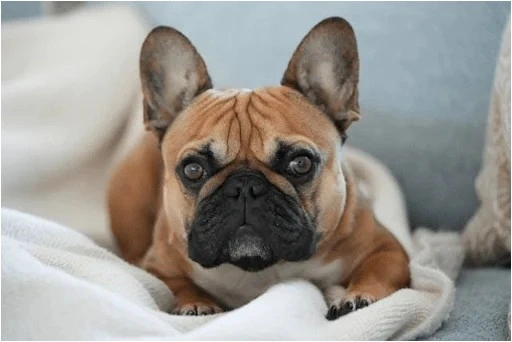
Based Upon Embark-tested French Bulldogs that have opted into study, here's a picture of the breed today: 85.3% of canines checked clear, 13.9% checked carriers, and 0.6% examined at-risk for Progressive Retinal Atrophy, crd4/cord1 (RPGRIP1). Citations: Mellersh et alia 2006 This is a non-progressive retinal illness that, in uncommon situations, can result in vision loss.
CMR is relatively non-progressive; brand-new lesions will usually stop developing by the time a dog is a grown-up, and some sores will even fall back with time. The genetics is BEST1/VMD2 (Exon 2) and the setting of inheritance is recessive. This is a clinically workable problem.
While hyperuricemia in other types (including people) can lead to uncomfortable problems such as gout, canines do not establish systemic signs of hyperuricemia. The gene is SLC2A9 and the mode of inheritance is recessive.
The Main Principles Of Dog Breed Guide: French Bulldog - Pets Best Insurance
While we are not able to supply specific populace numbers currently, we think the data supplied here to be sufficient to notify on existing patterns within the North American populace of French Bulldogs. These are the most common hereditary problems based upon Embark data, placed from a lot of to the very least widespread, in the French Bulldog, with much less than 95% of pets examining clear.
With Kind I IVDD, affected dogs can have an occasion where the disc tears or herniates towards the spine. This pressure on the spine creates neurologic indications varying from pain to a wobbly stride to paralysis. Chondrodystrophy (CDDY) refers to the family member percentage in between a pet's legs and body, where the legs are shorter and the body much longer.
The Facts About Free Clinic For Pregnant French Bulldogs: Faq - Justanswer Revealed
This certain variation is the just one recognized additionally to increase the threat for IVDD. The genetics is FGF4, and the setting of inheritance is leading. Lots of pet dog types, as a result of human option for a desired appearance (phenotype), have a high regularity of this variation in the FGF4 retrogene, meaning most or all Frenchies contend the very least one copy of the variation.
The gene is SOD1A *, and the setting of inheritance is recessive. Please note: While we evaluate for the SOD1A variant, we do not test for the SOD1B (Bernese Mountain Canine kind) version at this time. Based on Embark-tested French Bulldogs that have actually decided into study, here's a snapshot of the type today: 69% of pets checked clear, 27.7.

Table of Contents
Latest Posts
The Ultimate Guide To The Great “Top Sales Techniques” Hunt: What Tricks Are Used To Sell ...
6 Simple Techniques For Real-world Gen Ai Use Cases From The World's Leading Organizations
Excitement About How Important Are "Techniques" To Sales?
More
Latest Posts
The Ultimate Guide To The Great “Top Sales Techniques” Hunt: What Tricks Are Used To Sell ...
6 Simple Techniques For Real-world Gen Ai Use Cases From The World's Leading Organizations
Excitement About How Important Are "Techniques" To Sales?